 Reviews


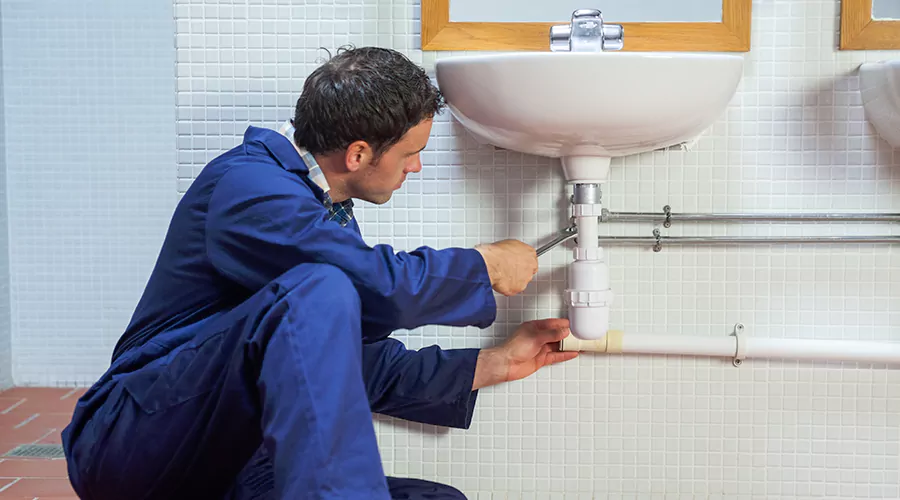
The typical plumber hourly rate runs $75 to $150 for standard work during regular business hours in 2026. Emergency calls climb to $150 to $300 per hour. A trip fee usually lands on top of the labor.
That average hourly cost for a plumber pays for far more than one person's wages. Fuel, insurance and licensing fees all flow through to the hourly rate.
Learning the billing structure before you call keeps a $150 repair from turning into a $500 invoice. The rounding rules and minimums matter as much as the rate itself.
Average Plumber Hourly Rate by License Level
The average plumber hourly rate depends on the license behind the wrench. Apprentices charge $45 to $70 per hour. Journeymen charge $80 to $130. Master plumbers charge $120 to $200 per hour. Most homeowners land in the journeyman band because that license covers standard residential work.
| License level | 2026 billed rate | What they can do |
|---|---|---|
| Apprentice | $45 to $70 per hour | Drain cleaning and basic repairs under supervision |
| Journeyman | $80 to $130 per hour | About 90% of residential work independently |
| Master | $120 to $200 per hour | Permit-heavy projects and system design work |
By license level the plumber average cost per hour scales with legal authority rather than raw skill. Apprentices bill the lowest plumber fees per hour because a licensed pro must supervise their work.
Insider tip: the billed rate isn't the plumber's paycheck. A journeyman earns about $34 per hour in wages while the company bills $80 to $130. The gap funds the truck and everything on it.
What Changes Plumber Rates Per Hour?
Four factors move plumber rates per hour more than anything else. Region ranks first. License level comes second. Job timing and complexity fill out the list. Two identical faucet repairs can differ by $100 purely because of the zip code on the invoice.
Geography does the heavy lifting. Northeast markets run about 1.15x the national average and West Coast markets 1.20x, while Southeast markets sit near 0.90x. As a result, plumber cost per hour in Boston can nearly double the figure in a small Georgia town.
Strong union presence and strict licensing push rates higher, which is why the plumber price per hour in some metros passes $200. Overhead compounds the effect. Plumbing labor cost per hour carries insurance premiums and licensing fees inside it. In plain terms, what a plumber charges per hour keeps the business running rather than lining one pocket.
Search results miss all of this. Queries like price per hour plumber return national averages that ignore your regional multiplier entirely.
Insider tip: a high rate doesn't always mean a better plumber. One Dallas master bills $125 per hour while equally skilled pros in smaller Texas towns charge $75 to $85.
Trip Fees and Minimum Charges
Plumber charges rarely stop at the hourly figure. A trip fee of $50 to $150 gets added on top of hourly labor, and most plumbers set a minimum charge of $100 to $200. A five-minute fix still bills like a real visit.
The hourly charge for plumber visits also tends to come with a one-hour floor. Plumbers often charge a one-hour minimum even when the repair takes 30 minutes.
- Rounding policy is the quiet variable: Ask whether time bills in 15-minute or 60-minute blocks because that answer decides the real cost for plumber per hour work. One master plumber puts it plainly: he quotes his $95 diagnostic fee and his $115 hourly rate upfront, and the customers who ask the right questions before work starts get the best value.
Insider tip: some companies fold the first hour of labor into the service call fee. Always ask whether the trip charge applies toward the repair.
Hourly vs Flat-Rate Pricing
Flat-rate pricing dominates common jobs like faucet repair and toilet installation, while hourly billing covers diagnostic work and projects with unclear scope. Neither model is automatically cheaper. Flat rates protect you on slow jobs. Hourly billing wins when the fix turns out simple.
- Transparency is the trade-off: Flat quotes bury the plumbers price per hour inside one total, so you can't see how the time was valued. On the other hand, a flat number can't grow while you watch the clock.
- Match the model to the job: Pick flat pricing for anything routine and predictable. Accept hourly billing for mystery leaks where nobody can scope the work upfront.
Emergency Plumber Rates
Emergency plumber rates run $150 to $300 per hour, which works out to 1.5 to 2 times the standard rate, with weekends and holidays at the top of that range. The premium buys immediate response at 2 a.m. rather than better workmanship.
The emergency plumber price covers overtime wages and an on-call crew that sits ready around the clock. You're paying for availability itself.
- Timing discipline saves real money here: The hourly cost of plumber work can triple after hours, yet few problems truly qualify as emergencies. A gas smell is a genuine emergency. A dripping faucet or a slow drain can wait until Monday morning and skip the surcharge.
Insider tip: shut off the water at the fixture valve or the main and most "emergencies" instantly become next-day appointments at standard rates.
What Common Jobs Cost in 2026?
Plumbers prices for common calls cluster into three clear bands. Small jobs like a leaky faucet or a clogged drain cost $125 to $350. Medium jobs like a toilet or water heater install run $350 to $1,600. Large jobs like sewer repair or repiping start at $3,000.
The plumbing maintenance prices above explain why totals rarely match the hourly math alone. Parts and permits stack onto labor. The average price of a plumber visit comes to $339, with most jobs falling between $99 and $977.
Insider tip: plumbers mark up materials 10 to 50%. For fixtures with clear specs, buy them yourself after confirming model numbers with your plumber.
How to Pay Less Per Hour?
Five moves cut your bill without cutting quality. None of them involves haggling. Each one works because it reduces the plumber's drive time or license overhead rather than their pay. Combined they routinely trim 20 to 30% off a service visit.
- Bundle the small stuff: The cost for a plumber per hour matters less when one visit knocks out three fixes instead of one.
- Match the license to the job: Hire a journeyman for routine work and save master rates for permit-required jobs like gas lines and complex repipes.
- Book business hours: Weekday scheduling avoids every surcharge tier.
- Prep before arrival: Clear the cabinet and know where your shutoff valve sits so billed time goes to plumbing.
- Get the rate sheet first: Ask for the hourly labor rate and the minimum service charge before scheduling any visit.
Conclusion
Rates only make sense as a full structure of hourly labor plus trip fee plus minimum charge. Region and license level set the base while timing sets the multiplier. A quick call handles what the plumber hourly rate alone can't tell you. This week, phone one local company and ask for its rate sheet before you need it.